Physiotherapy & neuro-rehab · Jayanagar Road, Six Mile

0 five-star reviews.Zero shortcuts.

Professional physiotherapist & rehabilitation care.

The most-reviewed physiotherapy clinic in Guwahati, and every one of them is 5.0.

Back pain, slipped disc, stroke and neuro rehabilitation, post-surgery recovery — treated on written, evidence-based protocols by a team of six clinicians led by Dr A. K. Borah, since 2017.

5.0 on Google Checking hours…
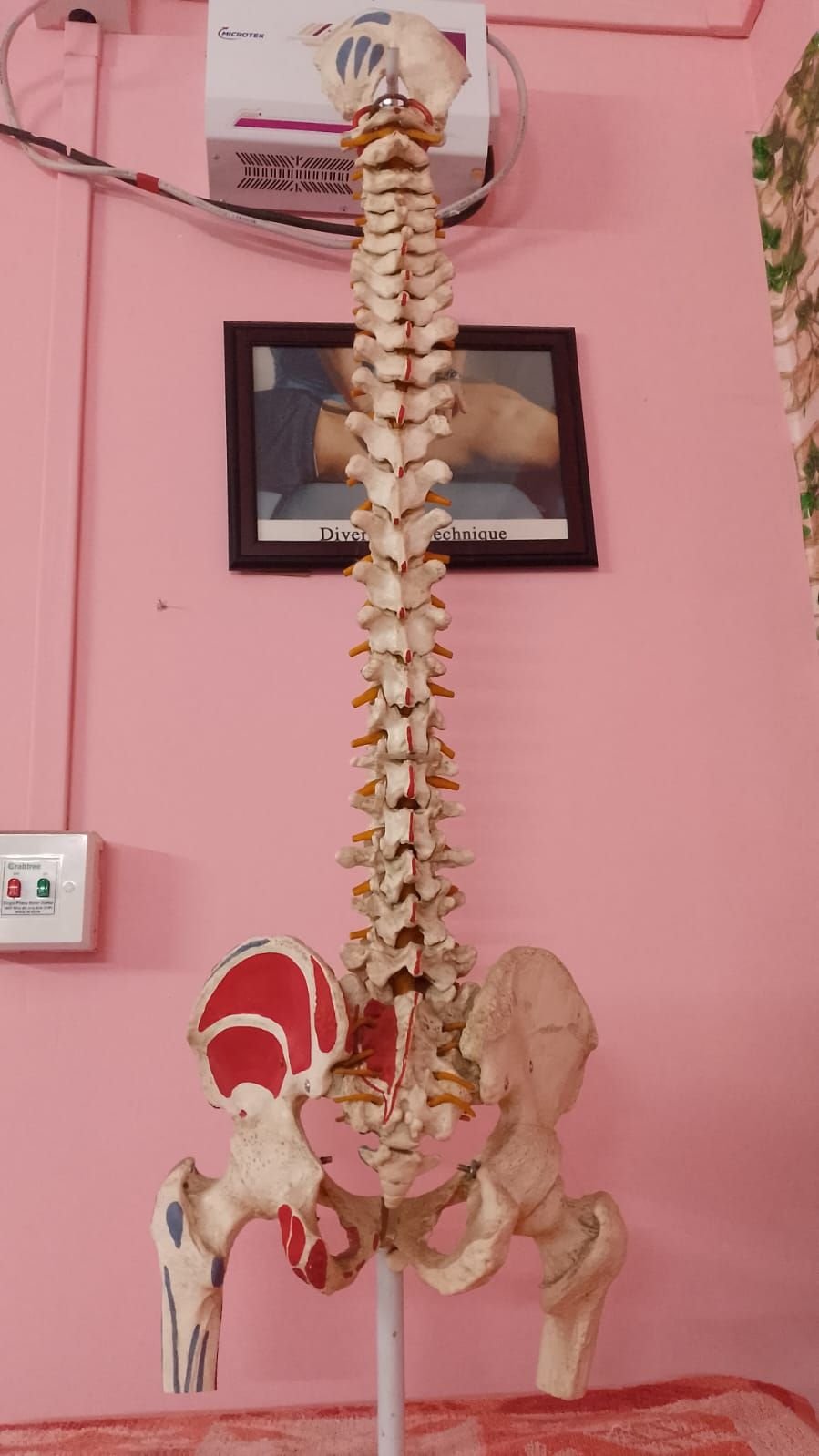
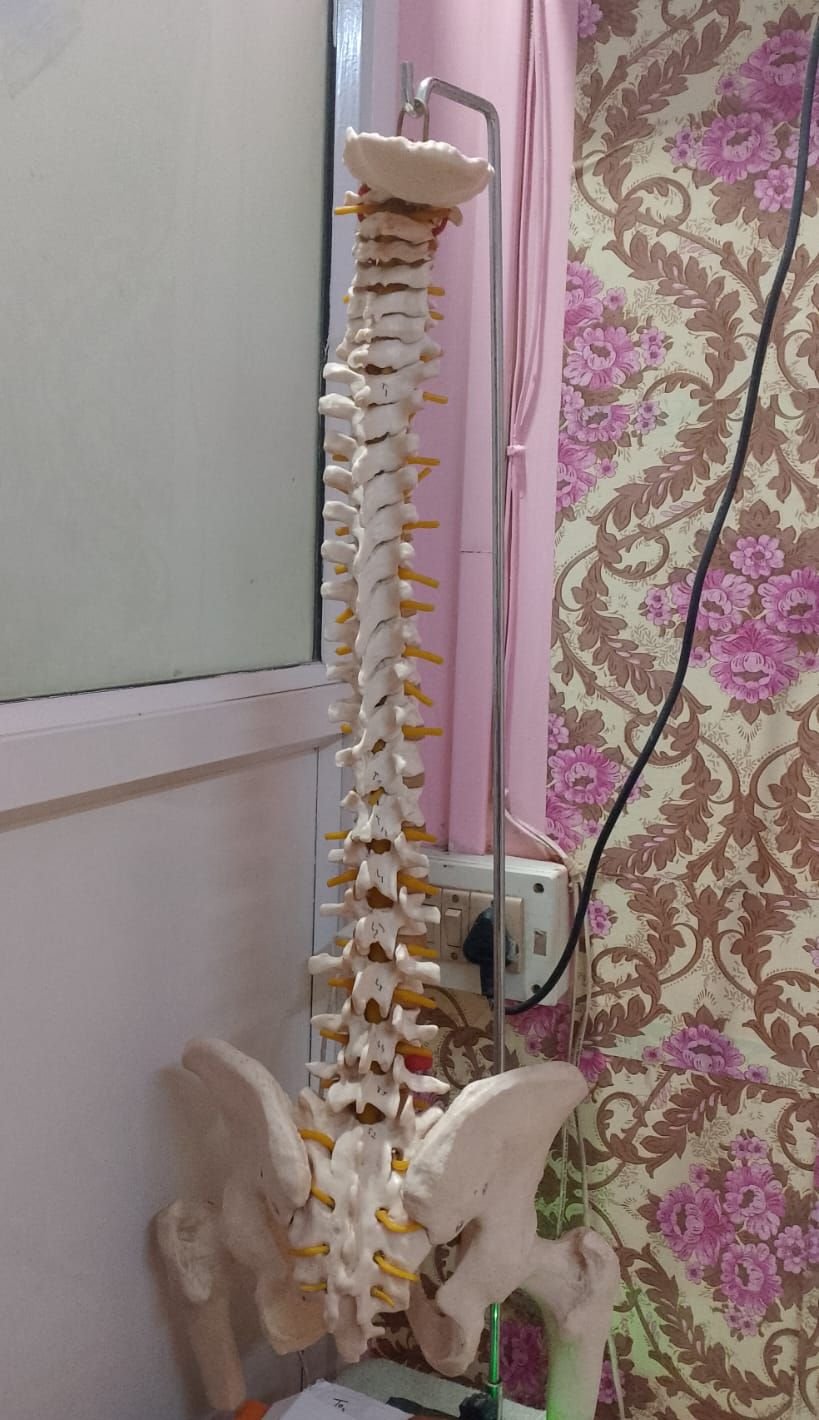
Anatomical spine model at Spinal Life Physiotherapy Clinic
Open 10 am – 8:30 pmMorning clinic 10–5 · Evening clinic 5–8:30 · Mon–Sat

Physiotherapy services

Eight ways we get you moving again.

  1. 01Orthopedic physiotherapy
  2. 02Neurological rehabilitation
  3. 03Spine & back pain rehabilitation
  4. 04Sports injury rehabilitation
  5. 05Joint pain & arthritis management
  6. 06Post-operative rehabilitation
  7. 07Balance & mobility training protocol
  8. 08Pain management

Conditions we treat

From a stiff neck to learning to walk again.

Each condition is treated on a written protocol — assessed, measured and adjusted as you progress.

Book an assessment→
  • Cervical spondylosis
  • Cervical radiculopathy
  • Low back pain
  • Sciatic nerve pain
  • Knee & shoulder arthritis
  • Frozen shoulder
  • Kyphosis & scoliosis treatment protocol
  • Stroke rehabilitation
  • ESWT (shockwave) protocol
  • SWD (short-wave diathermy) protocol

Neuro & developmental care

Physical disabilities can be associated with conditions such as:

  • Cerebral palsy
  • Acquired brain injury
  • Muscular dystrophy
  • Parkinson’s disease
  • Amputation & congenital amputation
  • Multiple sclerosis (MS)
  • Down syndrome

From the clinic’s own protocols

Problems which can be cured by physiotherapy and rehabilitation.

Each of these is a written treatment protocol prepared and signed by Dr A. K. Borah at Spinal Life. Tap one to see what the programme involves and what to expect.

01Crowned Dens Syndrome (CDS)Neck

A rare inflammatory condition caused by calcium pyrophosphate (CPPD) or hydroxyapatite crystals around the odontoid process of the C2 vertebra. Sudden, severe upper-neck pain, stiffness and markedly restricted neck movement, mostly in older adults. CT scan is the diagnostic test of choice.

  • Reduce pain & muscle spasm
  • Restore cervical range of motion
  • Improve posture
  • Acute (painful) phase → sub-acute phase → functional rehabilitation
  • Medical management alongside the physician

With appropriate medical treatment and rehabilitation, most patients recover well and regain normal neck function within 2–4 weeks.

02Myasthenia Gravis (MG)Neuro

A chronic autoimmune disorder of the neuromuscular junction with fluctuating muscle weakness and fatigability. Physiotherapy is an adjunct to medical management, particularly in clinically stable patients.

  • Energy conservation & fatigue management
  • Aerobic conditioning — walking, cycling, low-to-moderate intensity
  • Strengthening — low-to-moderate resistance exercise
  • Adequate recovery between sessions
  • Balance & functional training — sit-to-stand, gait and mobility

Important: MG patients can experience activity-related worsening, so rehab is never based on a “no pain, no gain” approach.

03Partial Supraspinatus Tendon Tear (Shoulder)Shoulder

The most common cause of rotator-cuff injury and shoulder pain. Laser therapy (PBMT / HILT) is a non-invasive option that may reduce pain and promote healing.

  • Laser therapy combined with a full physiotherapy programme
  • Electrical modalities
  • Gentle range-of-motion exercises
  • Rotator-cuff strengthening
  • Stretching of tight shoulder muscles

Research suggests laser therapy gives short-term pain relief and improves shoulder function, particularly within a structured rehabilitation programme.

04Occipital Neuralgia & Suboccipital HeadacheHead & neck

Nerves running from the top of the spinal cord up through the scalp become injured or inflamed, causing sharp head pain. Physiotherapy is a useful first-line conservative treatment.

  • Manual therapy — gentle joint mobilisation of the upper neck
  • Soft-tissue release of tight suboccipital muscles
  • Therapeutic exercise such as chin tucks
  • Electrical nerve stimulation to block pain
  • Trigger-point therapy: dry needling and manual release
05Swollen Knee (Joint Effusion)Knee

Excess fluid in the knee joint — the “puffiness” when the kneecap seems to float or one knee looks larger than the other. Mild or severe, the underlying cause must be identified to treat it correctly.

  • Exercises to reduce knee effusion
  • Maintain a healthy weight — less pressure, less fluid
  • Gentle exercises to improve knee mobility
  • Pain & swelling management
  • Balance & proprioception exercises; RICE protocol

Don’t ignore persistent knee swelling.

06Shoulder Osteoarthritis (GHOA)Shoulder

Degeneration of the glenohumeral joint causing pain, stiffness, reduced range and weakness. Physiotherapy plays an important role in conservative management and functional rehabilitation.

  • Reduce pain & stiffness
  • Improve shoulder mobility
  • Make daily activities easier
  • Improve confidence in shoulder movement
  • Improve upper-limb function and overall quality of life

For severe or persistent symptoms despite conservative care, medical or orthopaedic assessment may be appropriate.

07Articular Cartilage Injury of the KneeKnee

Injury or degeneration of the smooth tissue covering the bone ends inside the joint — pain, stiffness, swelling, reduced movement and difficulty weight-bearing.

  • Conservative: RICE, anti-inflammatories (with physician), physiotherapy to strengthen the muscles around the knee
  • Surgical options (arthroscopy, cartilage regeneration) via an orthopaedic surgeon when needed
  • Prevention: healthy weight, strengthening, avoiding high-impact activities

Treatment of cartilage lesions needs patience from both patient and clinician — a programme, not a quick fix.

08Cervical Myelopathy (DCM)Spine

Compression of the spinal cord in the neck. Physiotherapy helps manage pain, improve balance and maintain strength in mild or stable cases and in post-operative rehab — it cannot reverse the compression itself. For moderate-to-severe cases, surgery remains the primary treatment.

  • Symptom management with laser, heat, SWD, cold, ultrasound or electrical nerve stimulation
  • Muscle relaxation — gentle stretching and mild myofascial release for neck and upper back
  • Maintain function and prevent further deterioration
09Basal Thumb Arthritis (CMC joint)Hand

Osteoarthritis at the base of the thumb where the first metacarpal meets the trapezium — pain when gripping, pinching, opening jars, writing or using a phone.

  • Patient education
  • Therapeutic exercises
  • Splinting — thumb CMC stabilising splint / orthosis
  • Pain & symptom management
  • Functional rehabilitation

If pain is severe, persistent, with deformity, numbness or weakness, medical evaluation is advised to confirm the diagnosis.

10ACL Tear (Knee)Knee

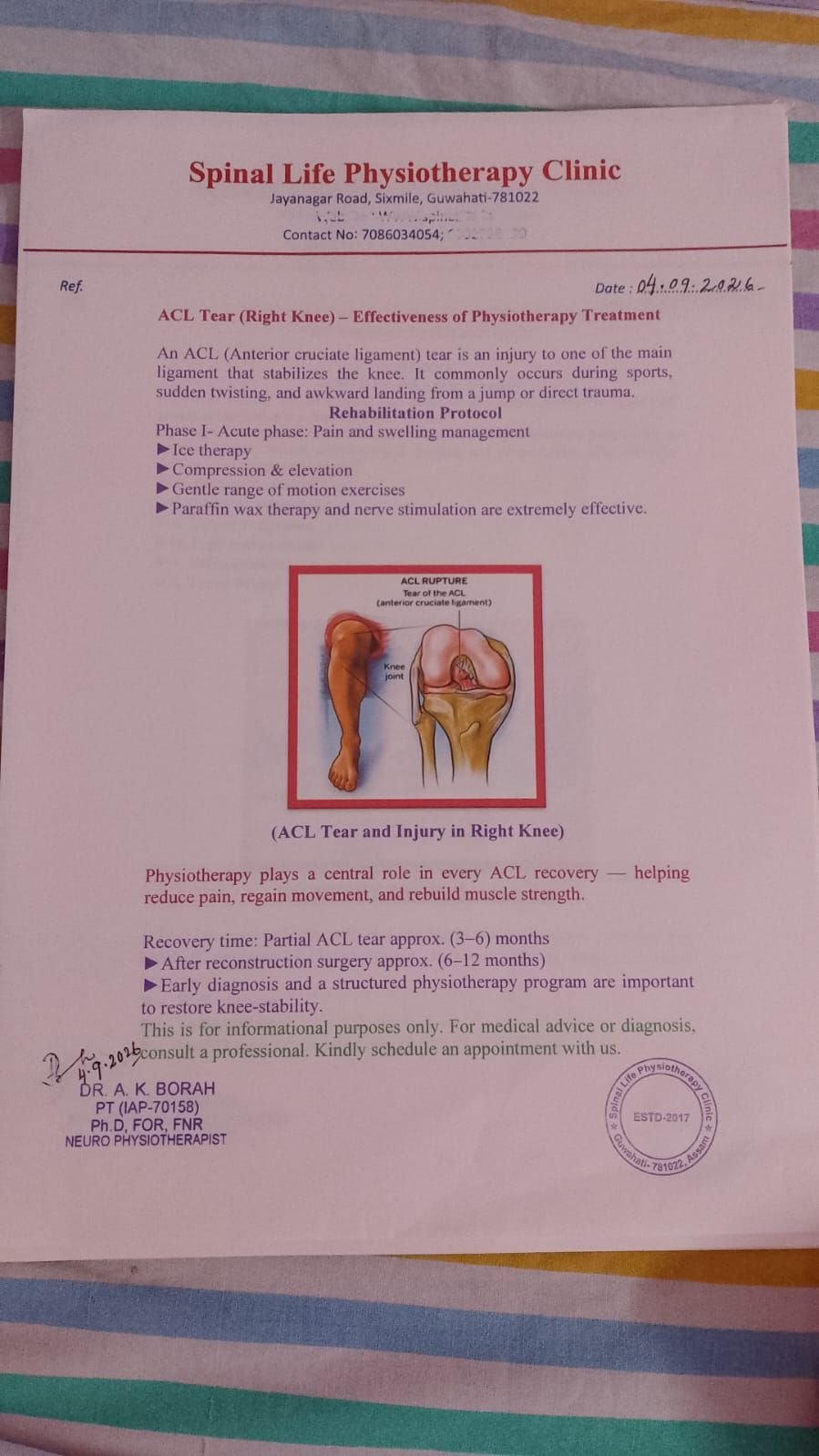
Injury to the main ligament that stabilises the knee — typically from sports, sudden twisting or an awkward landing. Physiotherapy is central to every ACL recovery.

  • Phase I (acute): ice therapy, compression & elevation
  • Gentle range-of-motion exercises
  • Paraffin wax therapy and nerve stimulation
  • Progressive strengthening to restore knee stability

Recovery: partial tear approx. 3–6 months; after reconstruction surgery approx. 6–12 months. Early diagnosis and a structured programme matter.

11Scapular DyskinesiaShoulder

Abnormal movement of the shoulder blade, often in young active patients. Treated on a phased protocol.

  • Acute phase (0–3 weeks): avoid painful arm positions; establish scapular motion via hip and trunk
  • Soft-tissue mobilisation and assisted stretching — pectoralis minor, levator scapulae, upper trapezius, latissimus dorsi, infraspinatus, teres minor
  • Recovery phase (3–8 weeks): closed-kinetic-chain loading — wall push-ups, table push-ups, modified prone push-ups
12Febrile Seizures (Children)Paediatric

Seizures in young children (6 months – 5 years) triggered by fever above 38°C, without brain infection. Most are brief and cause no permanent damage; physiotherapy supports recovery of movement and confidence.

  • Short term: maintain joint mobility, prevent deconditioning, restore age-appropriate mobility
  • Educate caregivers
  • Long term: maintain strength & balance, promote independence in mobility
  • Support normal participation in play and daily activities

Epilepsy doesn’t look the same at every age — blank stares and sudden pauses can also be seizure signs.

13Chronic Headache & TMJ Dysfunction (TMD)Head & neck

Temporomandibular disorder is the second-most common cause of chronic headache. Non-invasive treatment can reduce or eliminate TMD headache.

  • Comprehensive assessment of the jaw, cervical spine and posture
  • Manual therapy for the jaw & neck
  • TMD mobility and stretching exercises
  • Postural correction and ergonomic advice
  • Trigger-point therapy and massage for muscle spasm

Summaries are for information only. For medical advice or diagnosis consult a professional — kindly schedule an appointment with us.

Treatments & technology

Hands, needles, sound and light — whichever your body needs.

Exercise rehab & prescription

Guided movement, measured outcomes.

We have access to state-of-the-art equipment, and you will be guided with expertise through the techniques, movement patterns and posture to ensure your outcomes are great. Spinal Life offers exercises for:

  • Sports-specific training / conditioning
  • Injury prevention
  • Muscle isolation
  • Joint mobility
  • Stability & balance
  • Return-to-work conditioning
Dry needling

Release the trigger point, regain the function.

Dry needling is practised to facilitate pain reduction and release myofascial tissue and trigger points, to assist in regaining function.

Needling a trigger point can:

  • Release the muscle fibre to relax
  • Supply fresh blood and nutrients to the cells — better oxygen and chemical balance
  • Decrease pain levels
  • Restore function to muscles that have been inhibited
Shockwave therapy (ESWT)

For the tendon that won’t heal on its own.

Focused acoustic waves that stimulate repair in stubborn, chronic tissue. Used for:

  • Gluteal, shoulder & elbow tendinopathies
  • Achilles tendinitis
  • Plantar fasciitis
  • Bony non-union
  • Scars & calcification
  • Muscle trigger points
  • Frozen shoulder
  • Runner’s knee
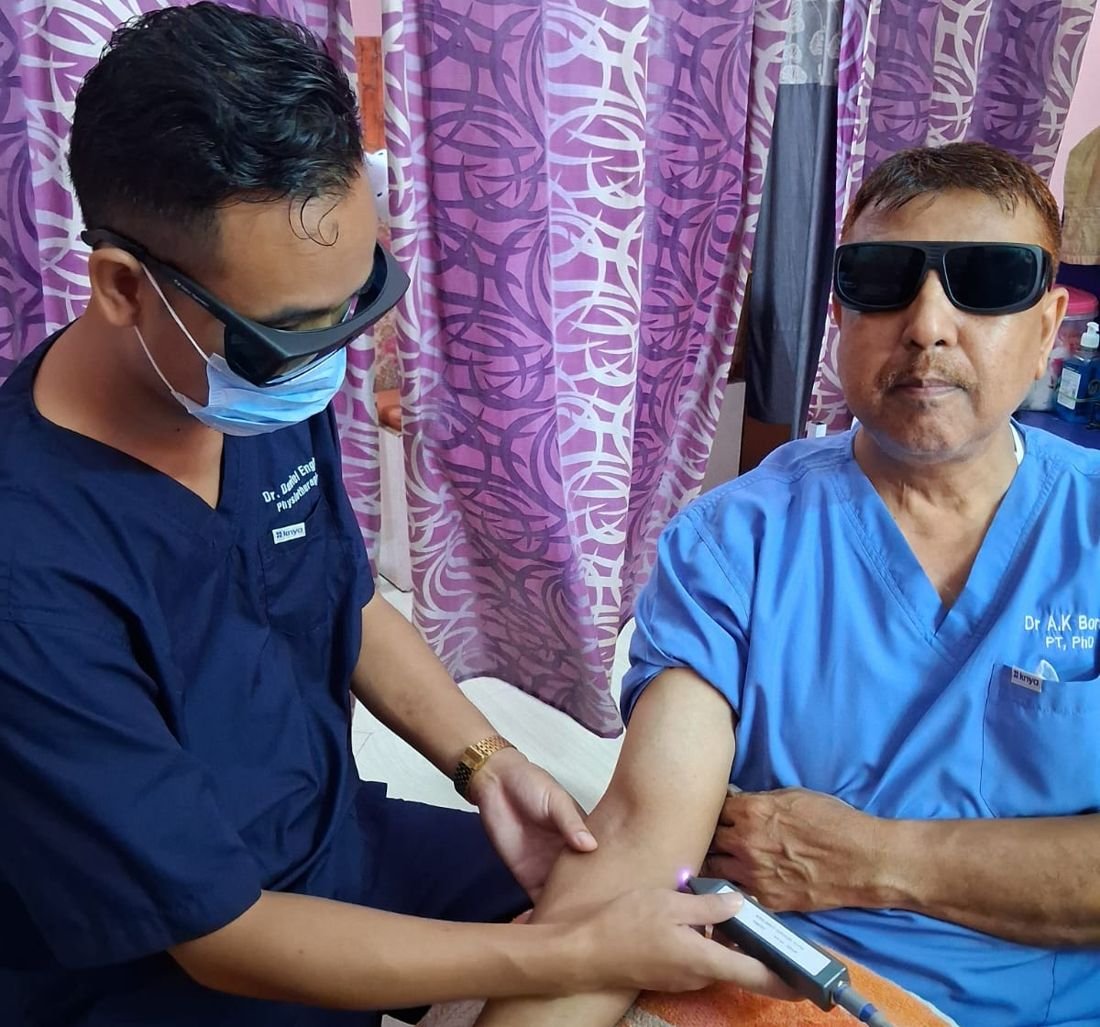
Laser therapy being applied to a forearm, both wearing protective goggles
Laser therapy

Light energy, less pain.

Laser therapy in physical therapy is a painless, non-invasive treatment that uses light energy to reduce pain and inflammation and accelerate tissue healing.

  • Painless and non-invasive
  • Reduces pain & inflammation
  • Accelerates tissue healing
  • Used for sciatic pain — a protocol the clinic publishes

How rehab works here

Assess. Protocol. Progress.

The clinic posts its own treatment protocols publicly — on nerve blocks, CTE, ganglion cysts, laser therapy. That's what you get as a patient: a written plan, not a guess.

  1. 01

    Assessment

    Physical and neurological examination, reports reviewed, goals set with you.

  2. 02

    Written protocol

    An evidence-based plan for your condition — sessions, exercises, expected timeline.

    A written Spinal Life rehabilitation protocol for an ACL tear, signed by Dr A. K. Borah
    A real one: ACL-tear rehab protocol, phase by phase, signed by Dr Borah.
  3. 03

    Progress you can measure

    Range, strength and pain scores re-checked as you go; the plan is adjusted, not repeated.

Patient follow-up system

You are never just “discharged”.

Every course is reviewed at fixed points to improve comfort and ease of movement. These outcomes support broader physiotherapy goals and help you get back to full participation in daily activities.

  • Patient registration form
  • Treatment / visit tracking
  • Follow-up reminders
  • Before / after functional progress tracking (with patient consent)
  • Emergency & red-flag guidance
Follow-up stagePurpose
Initial assessmentEstablish diagnosis, goals and treatment plan
During treatmentMonitor pain, mobility & functional progress
8–15 day reviewReassess response to treatment
Treatment completionEvaluate functional outcome

Patient screening & red flags

Know when to seek medical attention first.

Red flags don’t necessarily mean a serious disease is present. They indicate that further medical assessment may be necessary before continuing routine physiotherapy. If any of these apply, tell us at booking — or see a doctor first.

!Important red flags
  • Severe or rapidly increasing pain
  • Sudden, severe, unexplained pain
  • Severe night pain that doesn’t improve with rest
!Neurological warning signs
  • New or rapidly progressing muscle weakness
  • Loss of sensation or widespread numbness
  • Difficulty walking or sudden loss of balance
  • New problems with coordination
!Possible spinal fracture
  • Recent major trauma or fall
  • Severe spinal pain after a minor injury in a person with osteoporosis
  • History of significant osteoporosis or prolonged steroid use
!Possible infection
  • Fever or chills with severe back / neck pain
  • Recent serious infection
  • Immunosuppression
  • Unexplained deterioration in general health
!Possible cancer
  • Unexplained weight loss
  • Persistent, unexplained night pain
  • Previous history of cancer
  • Unexplained fatigue and systemic symptoms
!Vascular / cardiorespiratory warning signs
  • Chest pain or pressure
  • Sudden unexplained breathlessness
  • Fainting or severe dizziness
  • Sudden cold, pale or unusually painful limb

Chest pain, sudden breathlessness, fainting or a cold pale limb are emergencies — go to a hospital now, not to physiotherapy.

Why 1.4K people gave five stars

Six clinicians. One standard.

Five physiotherapists and a consulting orthopaedic surgeon under one roof — and Google's own count of what patients mention most.

0Clinicians on the team
0.0Google rating
ISO9001:2015 certified
  • Proficient doctors/physiotherapists0
  • Back pain treatment0
  • Slipped disc treatment0
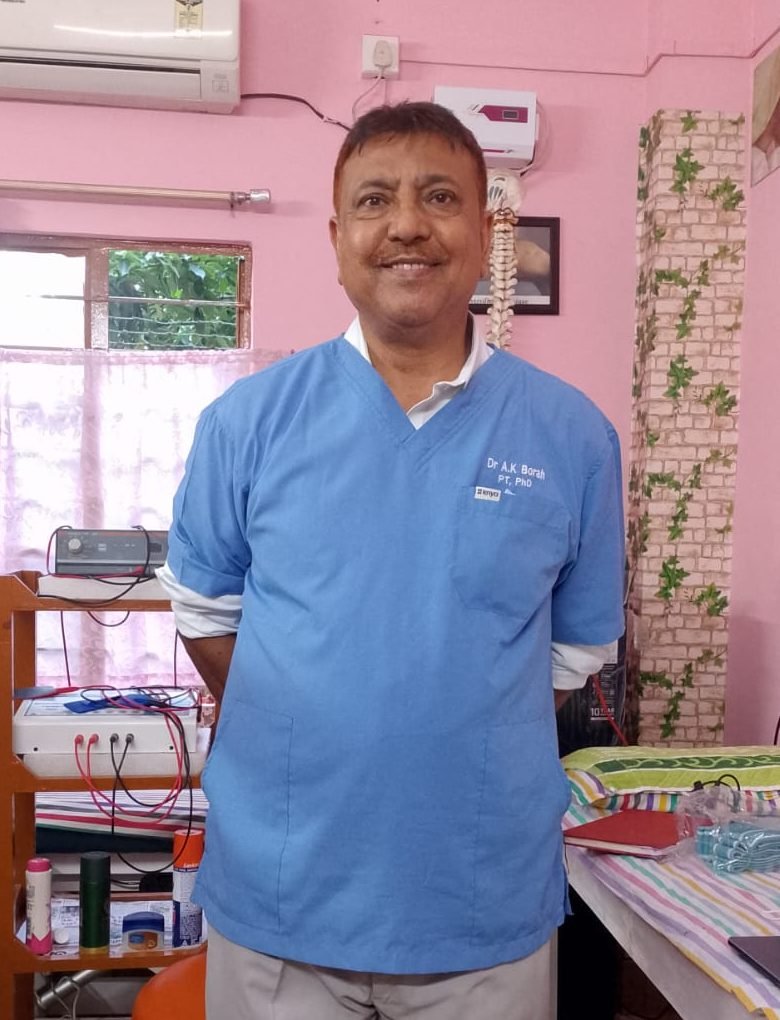
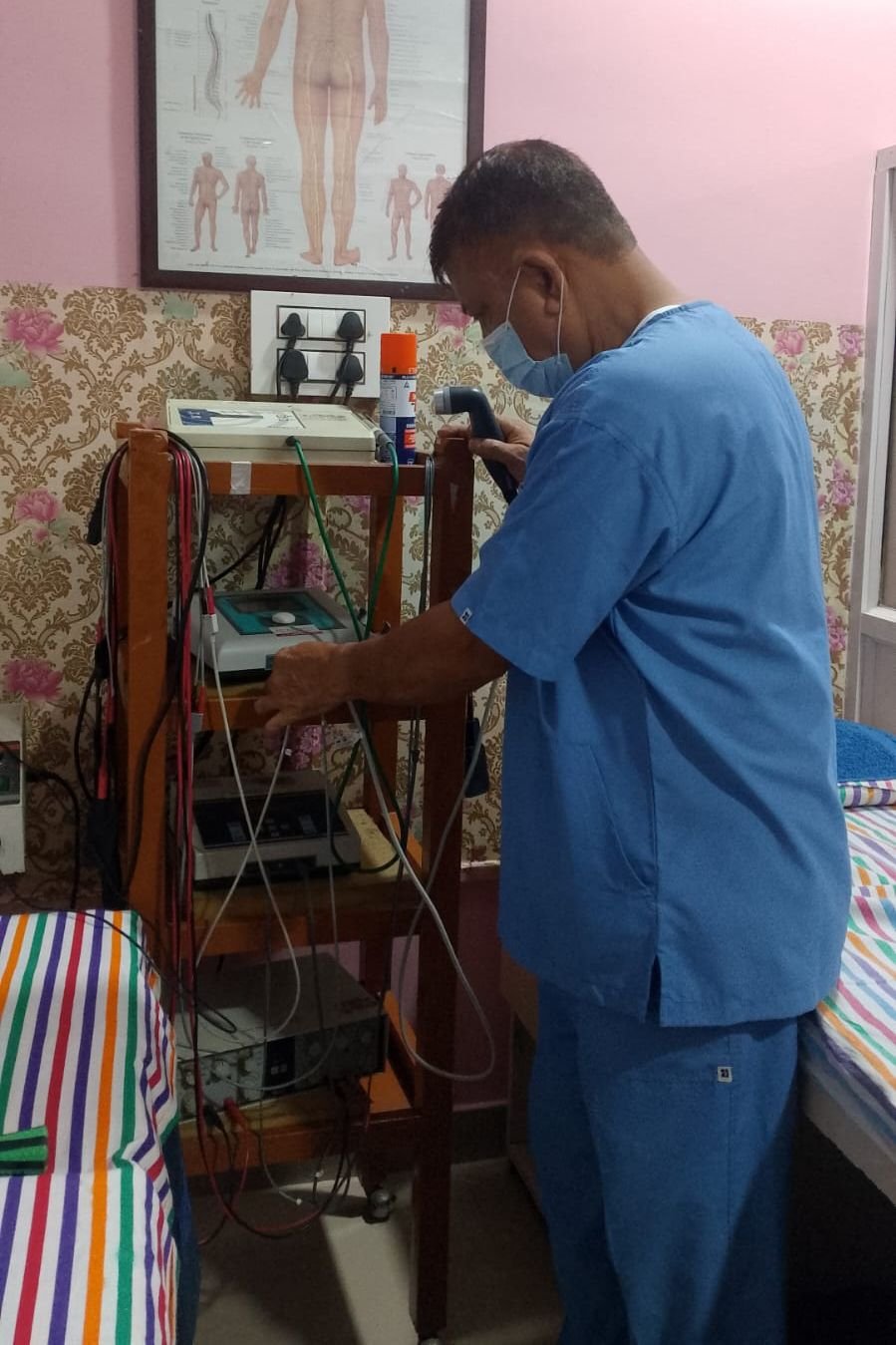
Dr A. K. Borah in the treatment room
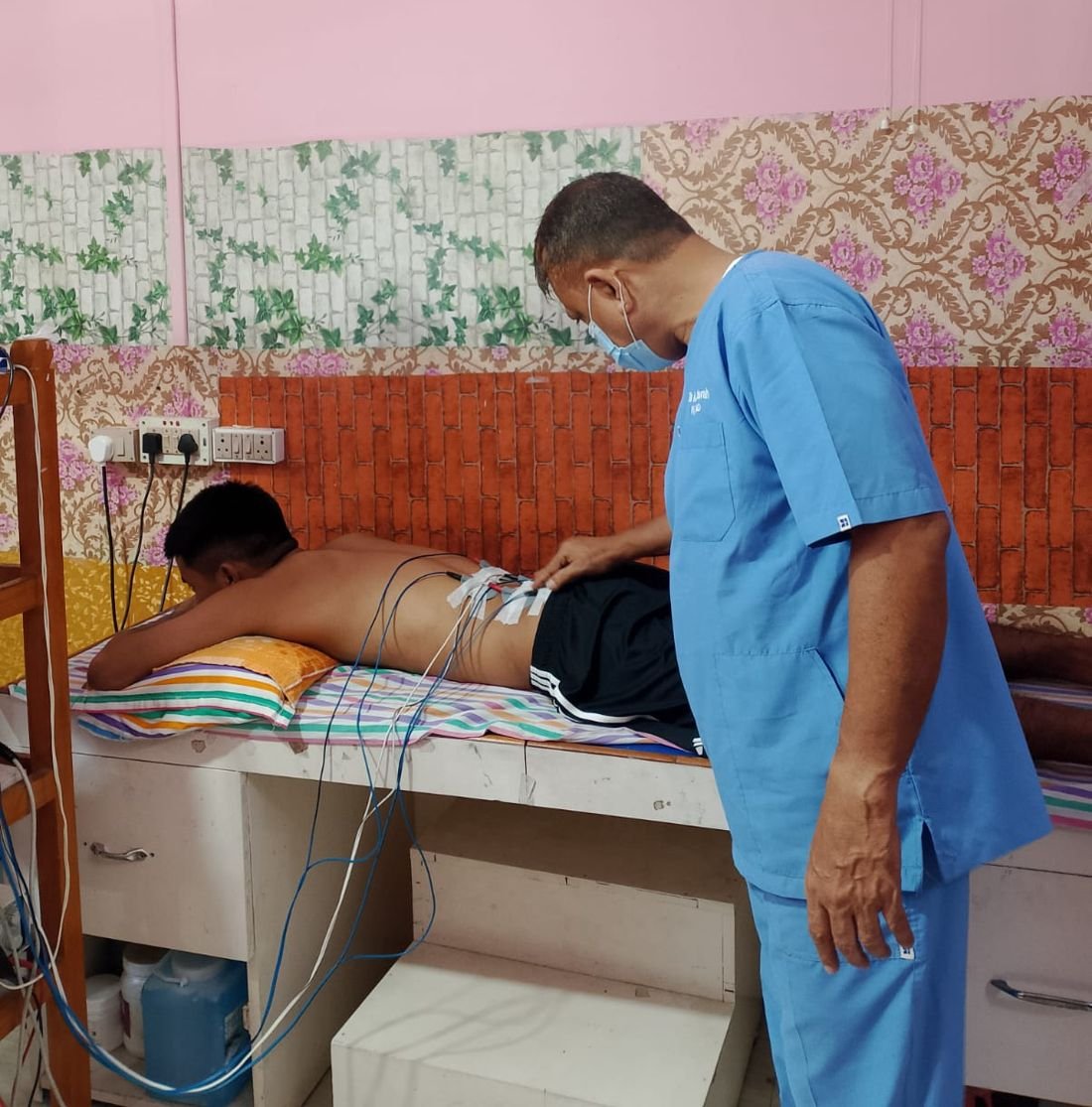
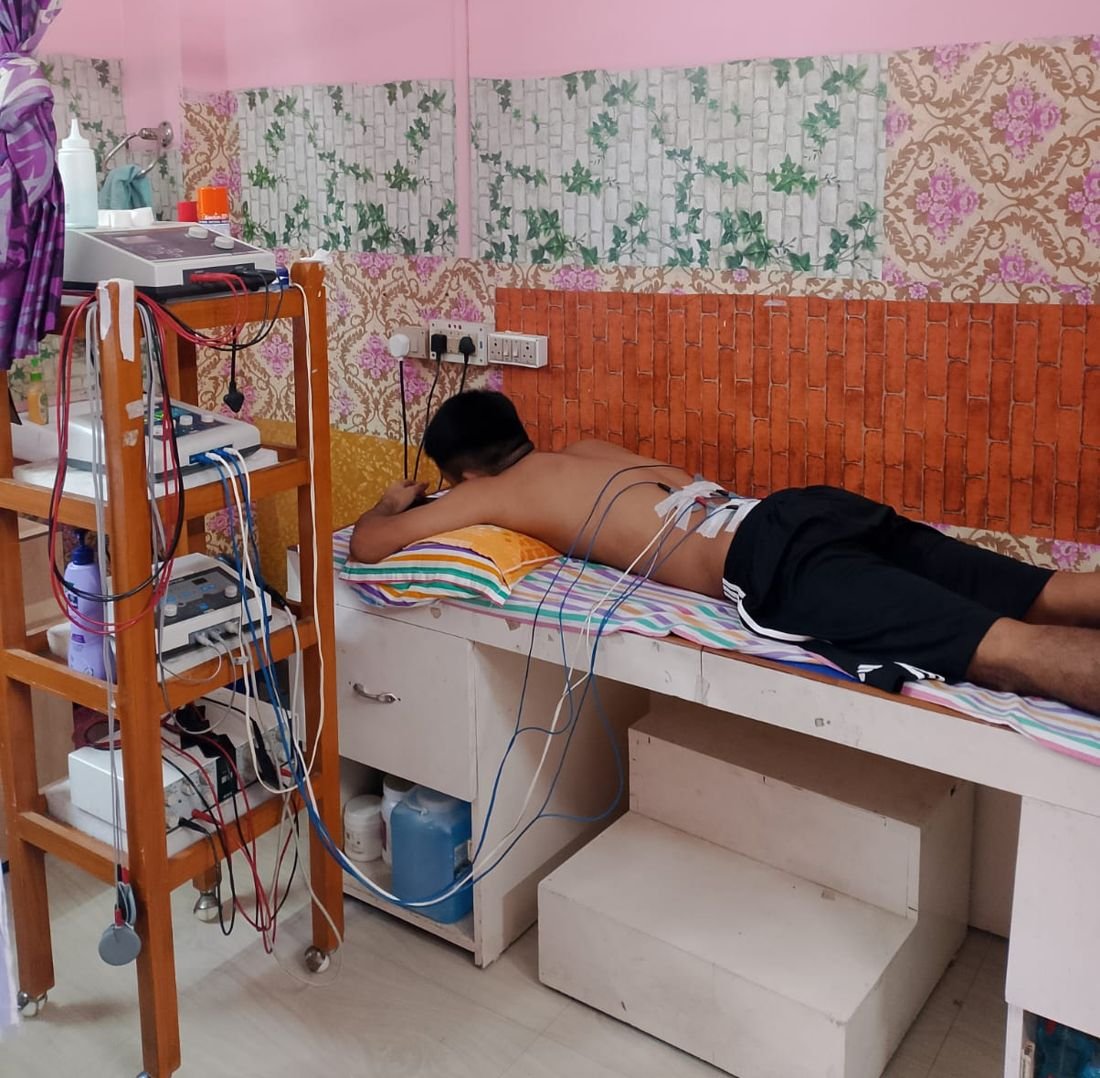
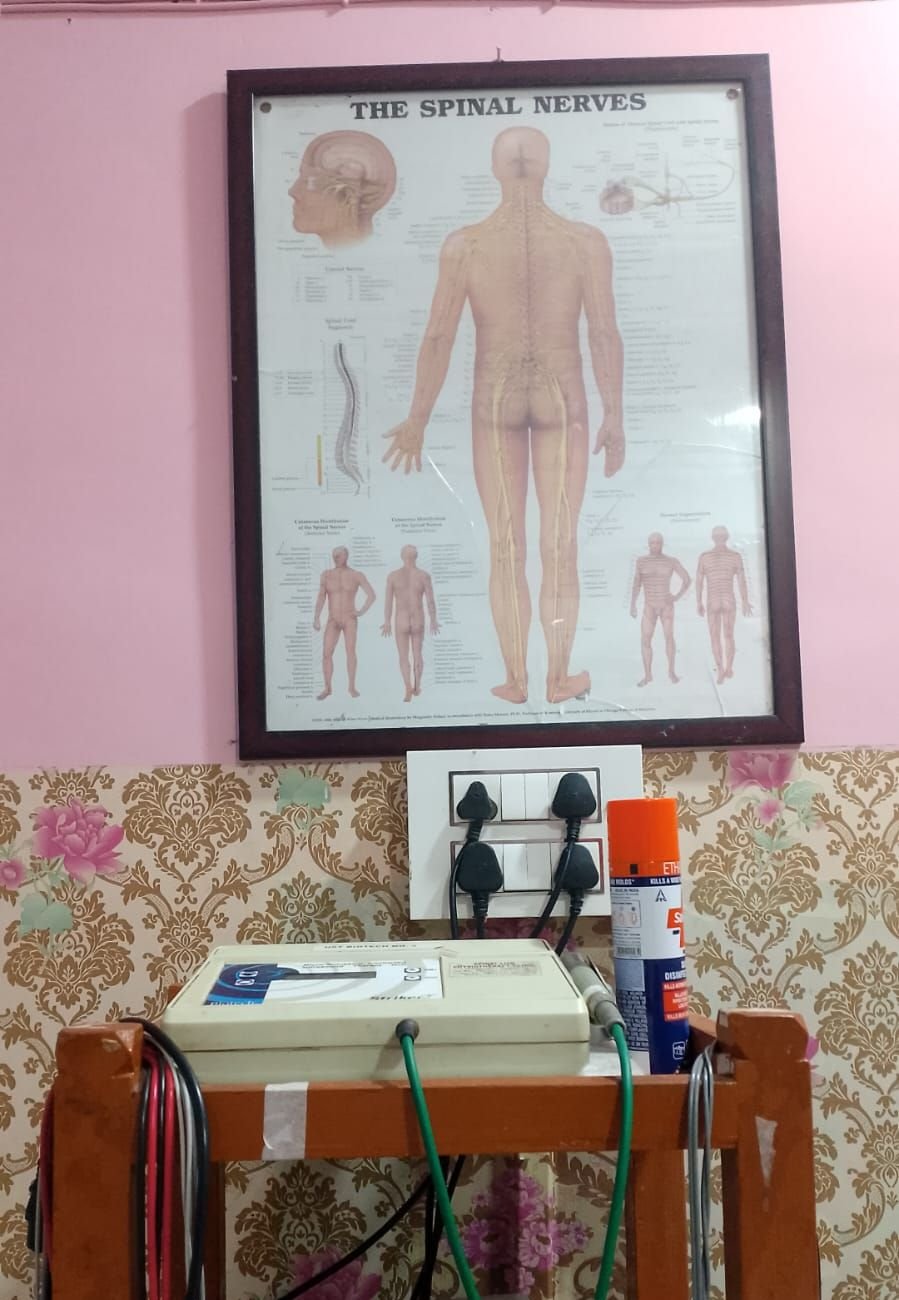
Electrotherapy session in progress
Estd2017

Lead physiotherapist

Dr A. K. Borah

MPT · Ph.D · FOR · FNR · Neuro Physiotherapist

A doctorate-holding neuro physiotherapist registered with the Indian Association of Physiotherapists (IAP-70158). He still treats patients on the floor himself — you'll see him in blue scrubs, not behind a desk.

  • Neuro-rehabilitation specialist
  • ISO 9001:2015 certified quality management
  • Protocol-driven, evidence-based treatment
  • Consulting orthopaedic surgeon on the panel
  • Evening clinic till 8:30 pm — come after work

The team

Six clinicians, each with a name on the door.

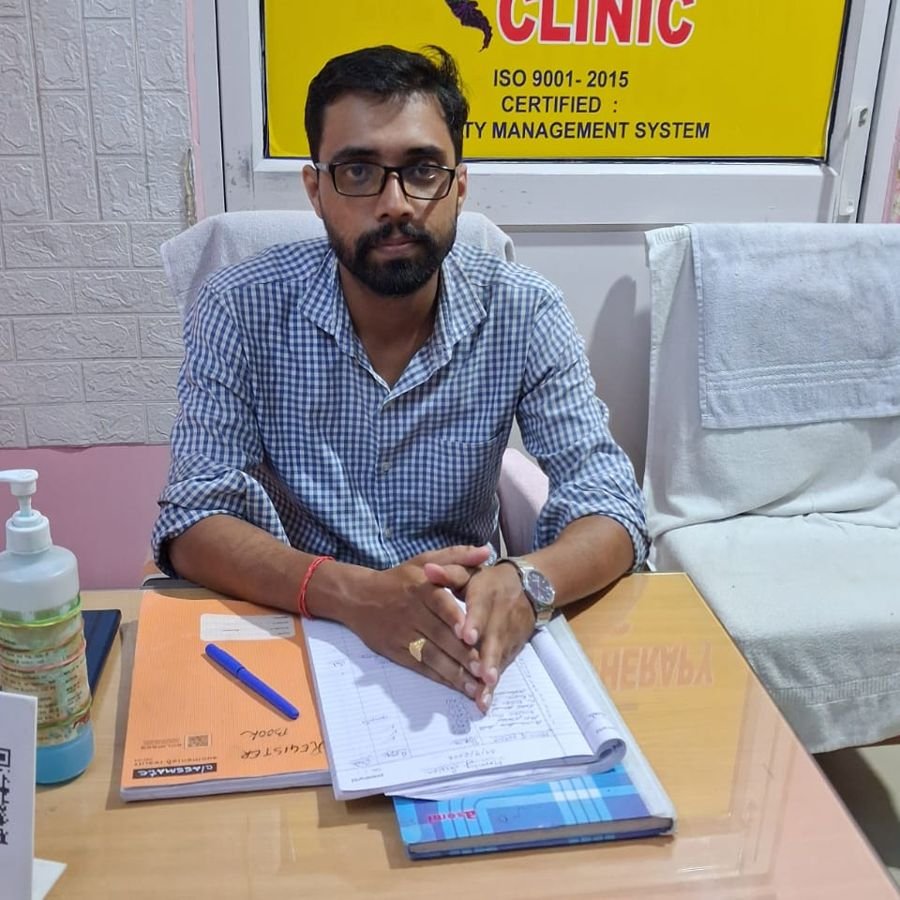
Dr A. K. Borah
Dr A. K. BorahMPT, Ph.D, FOR, FNR · Neuro Physiotherapist · Founder
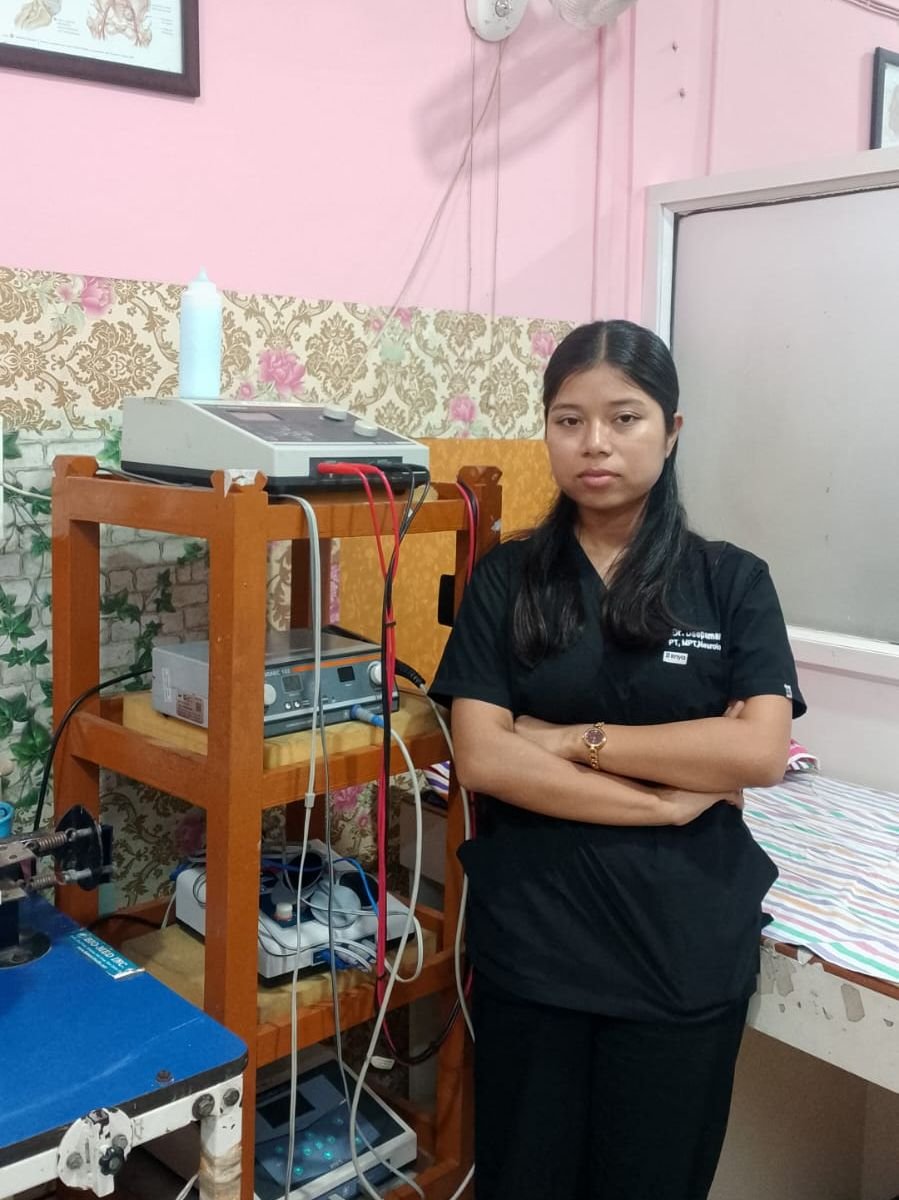
Dr Deepamani Bordoloi
Dr Deepamani BordoloiMPT, Neurology
Dr Surajit Roy
Dr Surajit RoyMPT · Assistant Professor, CPMS · Certified Spinal Manual Therapist
Dr Lovita Dutta
Dr Lovita DuttaBPT · Certified in Dry Needling
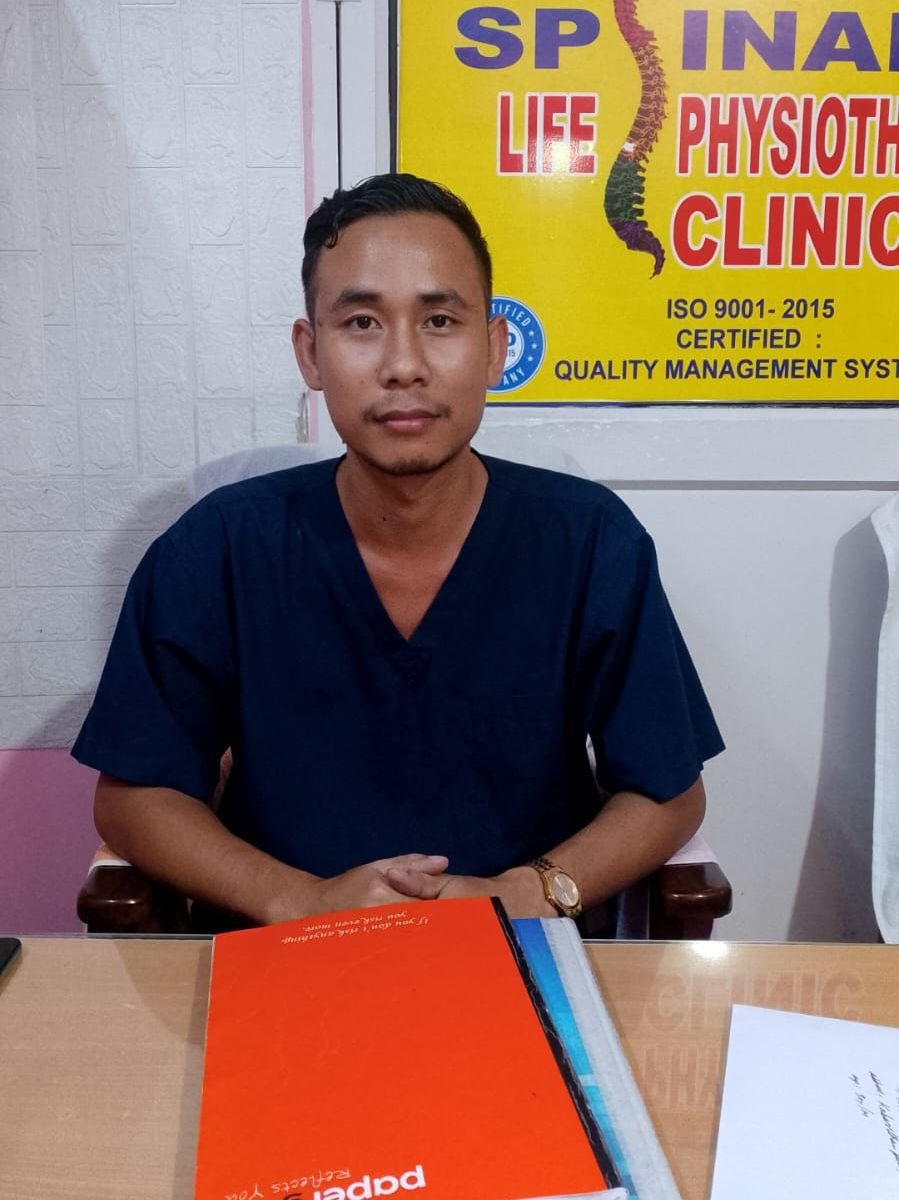
Dr Daniel Enghee
Dr Daniel EngheeConsultant Physiotherapist
DB
Dr D. N. BorahMBBS, MS (Orthopaedics) · Bone & Joint Specialist · Regd. 15853 (AMC)

Google reviews

1.4K and counting.

"Very good service and very co-operative therapist and staff."

Google review

"Proficient clinical staff and good manners. Highly qualified person. Thanks."

Tularam Hira · Google review

"Really appreciate this place. Staff are really, really helpful and friendly."

Google review

"Good treatment and proficient staff. Thank you."

Deepak Bhardwaj · Google review

"Good treatment and doctors have well experience."

Google review

"Good treatment and friendly staff."

Jyotirmoy Kalita · Google review

Quoted from the clinic's public Google Maps listing.

Hours & location

Near GNRC Sixmile, on Jayanagar Road.

Open 10 am – 8:30 pm. Kindly schedule an appointment with us.

Morning clinicEvening clinic
Monday10:00 – 17:0017:00 – 20:30
Tuesday10:00 – 17:0017:00 – 20:30
Wednesday10:00 – 17:0017:00 – 20:30
Thursday10:00 – 17:0017:00 – 20:30
Friday10:00 – 17:0017:00 – 20:30
Saturday10:00 – 17:0017:00 – 20:30
SundayClosed
Spinal Life Physiotherapy Clinic
Jayanagar Road, near GNRC Sixmile
Six Mile, Guwahati, Assam 781006
Open in Google Maps↗

Book an appointment

Tell us what hurts. We’ll reply with a slot.

Fill this in and it goes straight to the clinic’s WhatsApp. Reception replies during clinic hours, 10 am – 8:30 pm, Monday to Saturday.

  • No account, no app — opens in WhatsApp
  • Attach your MRI / X-ray reports so the doctor can read them before you arrive
  • Same-day sessions when a slot is free
    Call instead

    Your details go only to the clinic’s WhatsApp number. Nothing is stored on this website.

    FAQ’s

    Our most frequently asked questions.

    How long does a treatment session take?

    An initial physiotherapy appointment takes up to an hour, to allow for thorough history-taking, assessment and treatment. A standard follow-up session is half an hour (30 minutes). Remedial massage appointments range from 30 to 90 minutes.

    What areas of the body do you treat?

    We treat most areas of the body. See Conditions we treat and Problems we treat above — and if your injury or health concern isn’t listed, contact us and we can discuss your treatment options.

    What qualifications do the therapists at Spinal Life have?
    • All therapists are formally trained and regularly undertake further formal training. The staff at Spinal Life Physiotherapy Clinic pride themselves on continuous learning.
    • All therapists are registered with the Indian Association of Physiotherapists, New Delhi, and other associations.
    Does Spinal Life accept payments covered by private health insurance?

    Sorry, no — there is no provision for insurance billing at present.

    What will I need at my first appointment?
    • Please bring any imaging reports or scans relating to your concern (MRI / X-ray), if any.
    • Wear something comfortable that allows ease of movement.

    Pain is a signal.
    Rehab is the answer.

    Morning clinic 10–5, evening clinic 5–8:30, Monday to Saturday. Bring your MRI or X-ray reports if you have them.

    Book on WhatsApp
    Address copied